

CRISIS LINE

Blog

From the Outside Looking In: Top 3 Reasons Mosaic Georgia is on My Giving Tuesday Shortlist

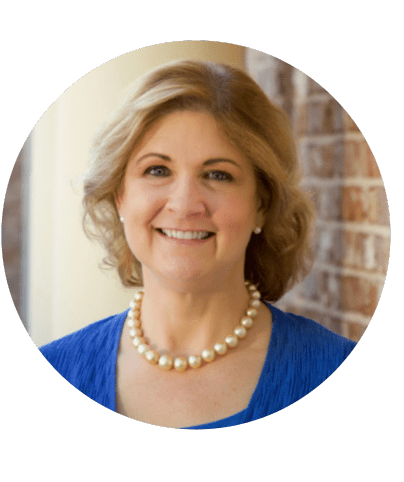
Mandy Headshot

By Amanda Makrogianis Mickelsen
Marketing Project Manager Consultant

Some causes are loud.

And some work is done quietly and selflessly behind the scenes, firmly but compassionately making a difference to those in a vulnerable place.

People (understandably) don’t like to acknowledge, let alone talk about, the disturbing topic of sexual violence. But it happens all around us. And in a world fraught with injustice, it is comforting to know there are helpers—people who care, working to minimize the suffering in seemingly small ways that make the biggest of differences.

I have worked for Mosaic Georgia’s Sexual Assault and Children’s Advocacy Center as a project management and marketing consultant for over two years, after feeling compelled to move from the corporate space to causes that contribute to a more just and humane world.

I become a donor each year on Giving Tuesday. I’d like to share with you why.

Burdens Lifted

Mosaic Georgia helps to alleviate the tremendous strain that envelops the lives of survivors and their families.

I have learned in my time here that sexual assault is not an isolated occurrence for the victim. There is a cascading ripple effect that can disrupt and sometimes debilitate the victim’s inner circle.

I imagine a mother who has just discovered the unthinkable who, amid the tragedy, is faced with the towering responsibility of single-handedly finding a safe living space for her children and providing for them while navigating the array of complicated social issues now encircling her. Mosaic is a place where she can find resources and referrals for rental assistance or transitional housing…a place where she can then access the legal services necessary to obtain a protective order or a divorce…a place where her little one receives a comfort kit with items that help them feel a little more safe and comforted as they realize they cannot return to the place they call home.

I imagine the tremendous burdens lifted at a time of immense stress, pain, shock, and confusion.

A Staff of Everyday Heroes

Mosaic allows their clients to feel seen, heard, safe, protected and as comfortable as they can be in those critical moments during a trying time no human being should ever have to face.

Whether a medical clinician or the first voice on the other end of the phone, everyone on the staff is caring and dedicated in a way I have never personally seen at an organization. From the moment someone walks through the crisis center door to the moment they leave their first trauma-informed yoga class, the team rallies around them, providing professional and compassionate care.

Every. Single. Time.

I consistently see messages of praise come through from parents who are grateful for the kind and caring way their loved one was treated at our center. And messages congratulating and affirming each other for coming together during a most trying case to provide the team support required to bring exceptional care to someone in crisis.

Some are there because of a personal connection to the mission and some are there to simply serve others in a time of need. They are a bonded group, collectively offering their clients dignity and warmth after a traumatic experience.

I am not a survivor so I cannot personally relate to how it feels to be in this situation. I do know that as I’ve gone through some of life’s more challenging times, the caring support people who were there with a lifeline in the moment I needed it, made all the difference in the world. The situation felt a little more manageable, and the weight of the ordeal was lifted just enough to get through with ‘one foot in front of the other’.

In those moments when we are most vulnerable, those with the lifeboats are all we have.

And it is critical that those providing the lifeboats have the resources and support they need to keep doing what they do.

Healing is Not Just an Afterthought

At a visit with a local women’s group I heard Executive Director Marina Sampanes Peed speak to the grim reality that the majority of those who come through their center will unfortunately not find legal justice, and instead will likely have to find a way to come to peace internally with the trauma that is now a part of their being. This is a tall order. Flawed societal ideals result in inequities within our systems. Hence many survivors are faced with the undeserved and unfair reality that a sense of peace that often accompanies accountability for their abuser will not be a part of their story.

To address the need for internal emotional reconciliation, last year Mosaic unveiled a Resilience Center that focuses solely on the healing aspect of a survivor’s journey. From yoga to art to meditation, the Wholeness Collective program offers trauma informed healing programs, counseling sessions, and support groups for those ready to rebuild and reclaim their lives, including child-centered healing activities. It’s a beautiful thing to see those wounded by trauma come together to talk, share, laugh, cry, dance, drum, paint, sing – to heal in many shapes and forms. This important holistic component is not merely an afterthought but a solid pillar of Mosaic’s integrative programs and services.

Covering all the reasons a donation to Mosaic Georgia is worthwhile would make this much too long a read! I have shared just the top of my list.

This Giving Tuesday I encourage you to join me in letting the staff at Mosaic Georgia know their work is valued, and showing survivors that they are supported. A tremendous amount of financial resources are required to provide such comprehensive services to those affected by sexualized violence. Please donate today!

Mosaic Georgia is a Sexual Assault and Children’s Advocacy Center that provides crisis intervention and support services for victims of sexual abuse, assault and trafficking. Services include forensic medical exams, advocacy, forensic interviews, legal aid, counseling, education & training, and healing-oriented wellness programs. In Gwinnett County, clients come to the safe and private setting of Mosaic Georgia instead of the emergency room.

Our mission is to take action and guide change for the safety, health & justice of children and adults impacted by sexual violence.

Read More

What is Volunteering?

By: Raheela, Administrative Volunteer


Essentially, it is donating your time and energy to help an individual or organization. Personally, I believe it is one of the most generous ways through which an individual can help others. Although a volunteer is willing to offer so much without expecting anything in return, he or she receives something that is more valuable than any physical gift: fulfillment.

At Mosaic Georgia, we strive to provide support to victims of sexual harm through the multiple advocacy services we provide. During this emotional period, we stand with the victim and his or her family every step of the way. Our group of 22 volunteers is vital in helping us provide support to our community. Volunteers complete 30 hours of special initial training and ten hours of continuing education each year. They support our cause as either Advocate or Administrative Volunteers.

An Advocacy Volunteer works under the Sexual Assault Response Team Coordinator. He or she responds to crisis calls, providing direct support to victims during evenings and weekends. The volunteer emotionally assists the victim throughout the forensic medical exam and law enforcement interview. He or she provides additional resources the victim may need in a safe, caring, and confidential manner.

I support Mosaic Georgia as an Administrative Volunteer. Although I only volunteer once a week, I find the work I do has a strong impact on the functionality of Mosaic Georgia. My day starts with assembling the resource folders we provide to victims and their families. The folder includes information about the victim’s rights, compensation he or she can receive, counseling information, and services that Mosaic Georgia can provide. It includes a brochure that emphasizes the importance we place on Safety, Health, and Justice. After assembling both English and Spanish folders, I help our Outreach staff prepare for any upcoming events. This includes gathering promotional items and preparing the display board for outreach and community education events. By spreading awareness of our cause and our presence in our community, we can educate others on sexual assault and provide resources for its victims. Once a month I focus on maintaining our inventory. It is important that we have adequate supplies, such as snacks for the victims if they need it. Throughout the day I greet visitors and answer phone calls, helping to maintain the friendly and caring environment of Mosaic Georgia.

As someone who cares strongly for people impacted by sexual violence and abuse, I strive to make an impact.

Read More

People Helping People: A Daily Dose of Courage


Courage: the ability to undertake an overwhelming difficulty or pain despite the unavoidable presence of fear.

What’s a kid to do? We tell children to speak up for themselves and we want them to be quiet and respectful. Each family has its own norms and unspoken expectations. Regardless, it takes courage for a child to speak out when someone abuses her and threatens harm if she tells anyone. How should the community respond?

Courage meets compassion

The Gwinnett community has a multi-disciplinary team that operates with the Children’s Advocacy Center (CAC) model. Designed to be welcoming and convenient, all the steps after reporting take place in one private location, Mosaic Georgia: forensic interview, forensic medical assessment, and supportive services. Law enforcement and other necessary agencies go to Mosaic Georgia to collaborate on the investigation and issues resulting from the abuse/assault.

There are no fees, no co-pays, and no hospital waits. Our goal is to reduce trauma and stress through the reporting and investigative process and offer advocacy support during and after.

Building courage

People often ask, How can people get away with this? Coercion and silence are the primary tools used by people who physically and sexually abuse. Abusers know what is important to their victims and use that information to garner compliance. Abusers often diminish their victim in the eyes of others with comments about them being sneaky, lying, promiscuous, or attention-seeking to discredit her or him in the event the code of silence is broken. Many victims finally find their voice to protect others. “When I saw him with my little sister, I couldn’t stay silent…”

A family matter

Child abusers are opportunistic, choosing victims they can easily access and manipulate. The harm is compounded when the abuser is a family member, close friend, fellow student, or trusted teen or adult. The relationships are complex and intertwined. Feelings of genuine love or respect are conflicted with the confusion, pain, and shame the abusive behavior conjures. The weight of silence can lead to many forms of self-destructive behavior.

“I don’t want him to go to jail. I just want him to stop…”

You may assume that family members will form a protective shield around the person who gives voice to the abuse. Yet a common response is frustration, even anger toward the victim. Competing interests cause more damage to everyone. He may be the family breadwinner or have some social standing at work, church, school, or the ball field.

Private and public courage

What is not spoken is not acknowledged (don’t ask, don’t tell) and is allowed to continue. That lack of courage hurts everyone involved. It also explains why so many victims who report abuse later recant. The pressure to maintain the family’s status quo is too great for courage to sustain.

Ask any student in middle or high school and they can tell you about a video or snapchat that went viral. And find out how the victim was trolled and threatened as a result. The discourse focuses on the recipient of the assault, not on the behavior and decisions of the perpetrator. While some abusers feel shame after an assault, many do not believe they did anything wrong. “It just happened. She didn’t scream or anything.”

Our collective courage is challenged everyday. “I don’t want to get involved” for fear of backlash. That’s another way silence oppresses.

Courage + Support = Survivor

At Mosaic Georgia, we see courage every day in the people we serve. We help them put the pieces of their lives back together so their futures are brighter than yesterday. If this resonates, know that you are not alone.

We applaud your daily courage for living your life whether you have spoken your truth aloud. As Christopher Robin told Winnie the Pooh, “You are braver than you believe, stronger than you seem, and smarter than you think.” We are here for you, too.

Read More

Change Happens Here

By: Marina Peed

My kids will tell you that I like to discuss uncomfortable topics. The best way to address a problem is to push past the discomfort and talk directly. Danger thrives in dark, unattended places…including the crisper drawers of my refrigerator. We can do better and we must do better.

Why are sexual assault and child sexual abuse still occurring?  There are laws which criminalize sexual violations. Yet only 35% of victims report these crimes to law enforcement.  What social conditions make you more comfortable reporting a stolen car than a sexual assault? You have a lot more to lose and questions to answer after an assault.

Mosaic Georgia, formerly Gwinnett Sexual Assault Center & Children’s Advocacy Center, served almost 1,000 new victims of sexual molestation and sexual violence last year. The vast majority (62%) of our clients were minors: 35% of our clients/patients were under 12 years of age; 27% were 12-17 years old; 18% were 18-24 (college age).  Most of our clients are female (84%) yet we serve everyone regardless of sex or gender identity.

As a mom and an advocate for all children, I encourage you to push through the discomfort and talk to someone in your home, office, school, faith community, or bowling league about ending sexualized violence. You can create an environment where your family and friends can feel safe and supported. Mosaic Georgia is here to help facilitate those conversations.

March 3-9 is No More Week across the country and the theme is Change Happens Here.  Even small actions can go a long way toward creating a society that does not tolerate domestic violence and sexual assault. The best sexual assault prevention occurs when EVERYone is respected.

Change happens…

  • when we act as if we respect ourselves
  • when we act as if we respect others
  • when we don’t assume
  • when the “bro code” holds guys accountable instead of covering up bad behavior
  • when good people intervene rather than pretend not to see
  • when consent is requested
  • people are believed first and feel safe to tell what happened
  • when we promote healthy relationships and boundaries from infancy
  • when treatment is available to children who exhibit problematic sexualized behavior

Sexual abuse and assault is 100% preventable behavior. You can help change our common culture that has supported violence for too long. Please join us. #ChangeHappensHereGwinnett

Read More

A Daily Dose of Courage


Courage: the ability to undertake an overwhelming difficulty or pain despite the unavoidable presence of fear.

What’s a kid to do? We tell children to speak up for themselves and we want them to be quiet and respectful. Each family has its own norms and unspoken expectations. Regardless, it takes courage for a child to speak out when someone abuses her and threatens harm if she tells anyone. How should the community respond?

Courage meets compassion

The Gwinnett community has a multi-disciplinary team that operates with the Children’s Advocacy Center (CAC) model. Designed to be welcoming and convenient, all the steps after reporting take place in one private location, Mosaic Georgia: forensic interview, forensic medical assessment, and supportive services. Law enforcement and other necessary agencies go to Mosaic Georgia to collaborate on the investigation and issues resulting from the abuse/assault.

There are no fees, no co-pays, and no hospital waits. Our goal is to reduce trauma and stress through the reporting and investigative process and offer advocacy support during and after.

Building courage

People often ask, How can people get away with this? Coercion and silence are the primary tools used by people who physically and sexually abuse. Abusers know what is important to their victims and use that information to garner compliance. Abusers often diminish their victim in the eyes of others with comments about them being sneaky, lying, promiscuous, or attention-seeking to discredit her or him in the event the code of silence is broken. Many victims finally find their voice to protect others. “When I saw him with my little sister, I couldn’t stay silent…”

A family matter

Child abusers are opportunistic, choosing victims they can easily access and manipulate. The harm is compounded when the abuser is a family member, close friend, fellow student, or trusted teen or adult. The relationships are complex and intertwined. Feelings of genuine love or respect are conflicted with the confusion, pain, and shame the abusive behavior conjures. The weight of silence can lead to many forms of self-destructive behavior.

“I don’t want him to go to jail. I just want him to stop…”

You may assume that family members will form a protective shield around the person who gives voice to the abuse. Yet a common response is frustration, even anger toward the victim. Competing interests cause more damage to everyone. He may be the family breadwinner or have some social standing at work, church, school, or the ball field.

Private and public courage

What is not spoken is not acknowledged (don’t ask, don’t tell) and is allowed to continue. That lack of courage hurts everyone involved. It also explains why so many victims who report abuse later recant. The pressure to maintain the family’s status quo is too great for courage to sustain.

Ask any student in middle or high school and they can tell you about a video or snapchat that went viral. And find out how the victim was trolled and threatened as a result. The discourse focuses on the recipient of the assault, not on the behavior and decisions of the perpetrator. While some abusers feel shame after an assault, many do not believe they did anything wrong. “It just happened. She didn’t scream or anything.”

Our collective courage is challenged everyday. “I don’t want to get involved” for fear of backlash. That’s another way silence oppresses.

Courage + Support = Survivor

At Mosaic Georgia, we see courage every day in the people we serve. We help them put the pieces of their lives back together so their futures are brighter than yesterday. If this resonates, know that you are not alone.

We applaud your daily courage for living your life whether you have spoken your truth aloud. As Christopher Robin told Winnie the Pooh, “You are braver than you believe, stronger than you seem, and smarter than you think.” We are here for you, too.

24/7 Help Line: 866-900-6019.

Read More

Mosaic Georgia experienced major growth and changes in 2018. In one year, we have undergone a name change, increased in staff size, and have increased the amount of services provided. Like every year, our community provided a huge amount of help and made a gigantic difference in the lives of our clients in 2018.

The Rotary Club of Sugarloaf was one of the many partners that helped increase access to the services Mosaic Georgia offered in 2018. With their help, Mosaic Georgia was able to create a transportation fund for clients who face transportation barriers. These funds have been crucial in ensuring that our clients receive timely forensic medical care, forensic interviews, legal services, and advocacy services.

We are incredibly grateful for the contributions of everyone in the community. It is because of you that Mosaic Georgia has been able to provide excellent services in a safe and welcoming environment.

Read More

The Link Between “The Talk” and Kid’s Safety: Discussing Sex and Bodily Autonomy with Our Children

Kendall Circle Headshot

By Kendall Wolz
Mental Health and Wellness Manager at Mosaic Georgia

If I were to sit down with a random group of adults and ask the question, “What happened when you had THE TALK” with your parents or caregivers, many in the group would likely recoil and cringe with discomfort. Most of us probably have stories filled with awkwardness, distress, and anxiety. Parents likely had a similar reaction when they had the talk with their own children. On one hand, sexualized material infiltrates many aspects of our everyday lives with television shows, movies, advertisements, etc. On the other hand, the topic of sex is still taboo for many to talk about comfortably.  

It is vital that parents and caregivers begin talking to their children about their bodies and sex early and in an age-appropriate manner.  

Equipping children with accurate, scientific information about their bodies empowers them to respond appropriately to situations that may be harmful.  

How the Danger Shows Up

There is a story about a child attempting to tell her teacher she was being abused at home. The child had been taught that her vulva was called a cookie. She arrived at school one day and told her teacher that her grandfather had licked her cookie. The teacher readily replied, ‘you should go get another cookie when that happens’. No one knew this child was attempting to tell the teacher that her grandfather had licked her vulva. As a result, the abuse continued until the child could disclose, with more accuracy, the abuse she had experienced. This is an excellent example of the dangers of teaching children incorrect names for their body parts. 
 

From the ages of 8-13, I did not have the language to describe the abuse I endured. I did not know the boundaries of my body extended also to the father figure in my life – not just strangers, classmates, and non-family members. I was not familiar with what constituted abuse. I did not know that there was something I needed to keep telling until I was believed.

I did not know it was wrong.

It is imperative that we provide kids with adequate information so that they can recognize abusive behaviors. 
 

Being Okay with the Discomfort

Toddlers are naturally curious about the differences in physical bodies. And this may cause some uncomfortable conversations at the dinner table. It’s important to remember that toddlers do not feel shame about their bodies until adults in their life unknowingly respond in ways that create embarrassment or guilt.  

Below are some helpful tips and resources to help empower children with an understanding of their bodies.
 

Stay Calm and Neutral  

When my brother was a toddler, he was notorious for pulling his pants down and peeing outside. This is common with young children, and it is understandable that it might ‘freak parents out’, especially if company is over. A parent may respond by frantically telling the child to pull their pants up and to refrain from doing that again while friends are over. The child may be anxiously instructed to only pee in the bathroom with the door shut. While the information being conveyed is necessary and reasonable, the way it is communicated may unknowingly prompt shame, embarrassment and insecurity within the child. A healthy response would be to calmly approach the child and matter-of-factly state that when friends are over, we only pee in the bathroom. This mild, neutral tone does not create a sense of alarm. When a child feels alarm, they have difficulty listening to what we say and are more likely to only absorb the anxious energy put out by the parent. 


Eyes, Nose, Elbow, Arm, Penis, Vagina: They Are All Body Parts 

“Every single part of our body has an important job. All parts of our body are good. There are some parts of our body that we keep private.” This should be the focus of our conversations with children. As they grow and ask questions, our answers about the jobs of different body parts will expand and have more depth. We might even have to break out Google when a child asks about the job of the appendix. We can teach kids factually about their bodies. We do not need to assign a label of good or bad; however, we may assign a category of private.
 

Privacy 

It is important that we do teach children about privacy. When we are in public places, at a friend’s house, or even in places like the living room and kitchen, certain parts of the body should be covered. Many people explain private parts by what is covered by a swimsuit; for others, private parts may be extended. You will often have to remind children of what is private, but that should not be done in a shameful tone. It can simply be a reminder. 
 

A Helping Hand  

It’s a complex topic and the layers run deep especially because our children’s safety is at the forefront. Fortunately, there are many resources that can help us along.

Here are some excellent tips for having healthy conversations with children about sex.  

Lots of helpful advice can be found on the Birds & Bees Instagram account.


Kendall Wolz heads up the Mental Health and Wellness team that provides individual, family, and group therapy to those seeking care at Mosaic Georgia. As a survivor herself, she has a unique insight into the challenges of living with past trauma, how it impacts lives daily, and what the process of healing truly looks like. Her personal website, Brave Girl, Speak unpacks some of the complex issues that come along with being a survivor of sexual violence. Visit Kendall’s site to read more about her personal journey healing from trauma and peeling the layers to reclaim her true self.

Read More

Someone’s Gotta Say It

3 Steps to Protect Our Kids from Abusers: On-line and In-person

Marina Headshot (1)

By Marina Sampanes Peed
Executive Director at Mosaic Georgia

A friend used to be a kid who went to the same school or lived down the block. Today, friends are met online with few, if any, community supports. This is a predator’s playground.

“It’s not IF, but WHEN” your child will be exposed to people who may want to harm them. As parents and guardians, we must adapt our strategies to protect children. This means we are going to get uncomfortable. It is easiest if we start talking about physical, emotional, and sexual health with kids from an early age as a normal part of living. Kids get messages about their changing bodies, their body autonomy, and relationships every single day. Even the most engaged, helicopter parents cannot control the harmful messages kids receive.

“Stranger Danger” doesn’t help because over 90% of sexual abuse/harm is done by someone with easy access to your child. Someone they don’t think of as a stranger. A friend used to be a kid who went to the same school or lived down the block. Today, a “friend” is someone they “met” online – via SnapChat, Instagram, Twitter, TikTok, WhatsApp, Kik, Discord, Kanakuk, Reddit, Yik Yak, and numerous dating/meet-up platforms.
Most of the youth we see at Mosaic Georgia were abused by trusted adults in their lives. A growing number were groomed by people they met online. You may have seen the show “Catfish.” It documents people who create fake identities and personas online to deceive people looking for relationships.

It starts out seemingly innocent and the abuser cultivates an emotional attachment without ever being in the same room. Then manipulation to send photos, videos, and then plan to meet. If they get uncomfortable and try to disengage, threats to publicize images/conversations or send to parents/school/employer are used.

So what to do? Resilience is built through factual information, a sense of self-worth and belonging, and coping strategies.

1. Don’t Worry, Get Ready! Talk With Your Kids provides great tips and information for parents and caregivers to nurture education, healthy behaviors, and relationships throughout a child’s development. Age-appropriate information that tracks a child’s developmental curiosity help grown-ups feel more comfortable with the conversations. Please, use anatomical words to describe all body parts – not just eye, nose, ear, hand, knee, etc. The more you normalize names for genitals, the easier your conversations will be as the kids grow.

2. Talk with your kids – regularly, over time. When you look, you will see prompts almost every day to explore situations, perspectives, healthy alternatives. Ask, “have you seen this?” “what do you think of …?” “how do you think they feel?” “what would you do?” Listen as much as you speak. Acknowledge the inevitable eye-rolls, and let them know you are trying. You love them and want to keep them safe.

3. Practice what you preach. Encourage kids to trust their intuition about their personal safety. Encourage them to use their voice. A real friend won’t ask you to do something that you are uncomfortable with or don’t want to do. Help them determine their personal physical boundaries with family, friends, and others. Don’t force them to hug someone they don’t want to. (You can tell the overbearing adult that you appreciate their support in helping the kids manage their personal boundaries.) Let them know that IF something happens, you will be there for them and they won’t get in trouble if they tell.

Teens and adults who derive gratification from abusing and controlling others – especially kids – look for vulnerabilities that open doors for access – kids who are hungry for attention, less likely to assert themselves, or tell someone about the “special” relationship.

You can provide protective factors that will reduce their risk and improve their recovery should such harms occur. Remember: the responsibility always rests with the abuser.

Read More

Someone’s Gotta Say It

From Awkward to Empowered: Rethinking “the Talk”

By Marina Sampanes Peed
Executive Director of Mosaic Georgia

Do you remember the whirlwind of emotions and questions that came with growing up? I sure do. Not too long ago, I was gently reminded that I’ve stepped into the “woman of a certain age” chapter in life. And what a vibrant chapter it is! As a proud mom of two wonderful grown-up kids, and having weathered life’s many unexpected twists, I often find myself reflecting on those pivotal parenting moments. Recently, a close friend (and a mom to some spirited youngsters) curiously asked about my journey through their hormone-driven teenage years. With a smile, I admitted, “You know, I thought I had all the answers and would be the perfect parent… until we brought our daughter home from the hospital. Talk about humbling!” 

As parents, our protective instincts are on high alert. From the rising cost of living and healthcare to the daily news about guns, active shooter drills, student debts, and challenges to our fundamental rights, it can feel a bit overwhelming. But amidst this whirlwind, it helps to start where you are, with what is in your control. Let’s begin with those heart-to-heart talks about the changes they are feeling.   

In this rapidly changing world, it’s crucial for adults to overcome their hesitations and ensure our children and teens are well-informed and equipped with facts about their bodies, sexual contact, self-confidence and communication skills.

Discomfort is Just a Feeling: You’re Not Alone

We’ve all been there. That slight unease when broaching certain topics with our kids. Most of us didn’t have great role models in the “birds and the bees” conversations (that I even wrote “birds and the bees” in 2023 should be instructive). Some fear that if you talk about sex, it will encourage them to act on that new information. As if they aren’t naturally curious about the body parts they carry with them already.  

Why Your Silence Isn’t Always Golden

Whether we like it or not, today’s youth are surrounded by sexualized messages – from advertisements, TV and movies, music, social media, and even pornography.  

Here is what we know to be true: Normalizing discussions about bodies, hormones, relationships, values, and consequences are protective factors that can reduce early risky sexual activity and sexual harms.   

Calling body parts the proper terms without blushing or whispering is the first step. Read this next section out loud: 

Start at the top:  Head, forehead, eyes, nose, lips, ears, shoulders, arms, hands, fingers, chest, breast, abdomen, penis, testicles, anus, vulva (includes labia, urethra, clitoris, vagina), thighs, calves, foot, toes.  

If you can’t read or say these words out loud, your assignment is to work through your discomfort.  Parts are parts. 

The Danger of Secrecy and Shame

Kids can read the room. When adults avoid talking about human development or speak with declarative statements that shut down conversation, they create an environment of secrecy and shame. Parents who tell kids to “wait until marriage” (message reinforced to girls) for religious or cultural reasons, without educating about sexual activity, put their kids at greater risk for unintended harms. This creates a fertile ground for abusers. People who sexually abuse and exploit others thrive on coercion and secrecy. They manipulate their victims over time, creating damaging repercussions. The lifelong effects of childhood sexual abuse are many and varied, depending on the type, frequency and intensity of abuse, and child’s relationship to the abuser. 

Did you know 25% of girls and 17% of boys K-12 ages (in both public and private education) have experienced some form of sexual abuse? These statistics represent real individuals, often victims of people within their close circle. Their language used often in describing genitals and the sexual acts reveal a lack of basic education about their bodies. Concerns about pregnancy from non-vaginal intercourse are common

The Statistics Have Names and Faces

At Mosaic Georgia, for example, over 1,500 children and youth are seen each year for harms arising from sexual abuse or exploitation. We’ve worked with minors who became parents due to familial sexual abuse and commercial trafficking. The trajectory of their lives are forever changed because of sexual abuse.

Parents of these youth are often shocked that the abuse was happening and lament that they thought their child was too young to talk about such things. 

And there are as many adults who experienced sexual abuse as children, who later in life seek resources and support in their healing journey. Most victims hold their experiences in silence, fearing that “telling” will cause more harm to themselves and their family. Abstinence-only messages further inflict shame and guilt on young victims, contributing to mental health struggles, including depression, substance abuse, and suicidal thoughts. 

Shifting Perspective: From Discomfort to Empowerment

Think back to your childhood. Do you remember the tingles, the whispers, the giggles, and the myths associated with s-e-x? Remember the confusion and perhaps even the fear?  

We can do better. Comprehensive sexual education goes beyond biology and mechanics to include the emotional and ethical facets. It’s about teaching respect for self and others, understanding boundaries and consent, and fostering healthy relationships. It’s about creating an environment where our children can grow up understanding their bodies, respecting and valuing a partner, and building meaningful, respectful relationships.

Parents as First Teachers, Schools as Allies

Parents weave a tapestry of trust, respect, and knowledge with their kids through everyday conversations. Spending time to listen, share, and even laugh about life’s mysteries will build bonds and trust. While parents are a child’s first teachers, there is no knowledge test to pass in order to become a parent. Parents have varying levels of knowledge, skills, and confidence to talk about human reproduction, pregnancy, childbirth, and parenthood.  

Schools can bridge this information gap, ensuring all students have access to factual information and understand the risks and consequences of varied sexual activity. And the curriculum is a great basis for discussion between parent and child.  

A collaborative approach ensures that all our children receive consistent, relevant, and age-appropriate information. This shared responsibility can also alleviate some of the pressures parents might feel about having these discussions on their own.

Resources to Help

For parents who may be unsure where to start or how to approach these topics, there are numerous resources available. Organizations like Mosaic Georgia, among others, offer tools to initiate these essential conversations.  

There are more books and curriculum on-line that you can read first, then share with your kids. Sometimes it’s easiest for each to read on their own and then discuss together.  Like a book club for child/adolescent health.

Call to Act: An Investment in Their Future

It’s natural to feel discomfort, but let’s channel that unease into action. After all, our children’s empowerment and safety are well worth the effort. 

When we know better, we do better.

The path forward is paved with knowledge, empathy, and understanding. Let’s take the necessary steps to ensure that our children grow up with the confidence and tools they need to navigate the complex world of sexual health and relationships. After all, knowledge is not just power; it’s empowering. 

Thank you for reading this to the end. If you’d like to talk with me about protecting all our children, please reach out to marinap@mosaicga.org  Let’s be the best village we can be for future generations. 

Read More

February is Teen Dating Violence Awareness Month: How Can Adults Help?

Co-authored by Marina Sampanes Peed and Amanda Makrogianis Mickelsen

One in three teens experiences verbal, emotional, physical, or sexual abuse from a dating partner.

That’s a lot of young people.

Our society’s cultural norms foster these harms in a way that goes unnoticed, largely because these models are woven into the fabric of our collective mindset. Becoming aware of problematic norms and talking openly about their implications can help to change the conversation and lead to a shift towards healthy relationships.

What Exactly Is Teen Dating Violence?
Most people think of violence in the most visible form – physical harms. In fact, relationship violence includes many forms of violations of interpersonal trust and care. Dating violence (any relationship actually) may include verbal assaults and degradation, sexual coercion, assault, and abuse, psychological abuse, stalking, financial, and cyber-bullying.

The Norms We Know
The teen years are full of cognitive and physiological changes, hormonal evolutions and the navigation of social and structural expectations. Add to the mix that technology provides young people 24/7 access to pornography and constant sexual messages in marketing, social media, and entertainment…and quite the recipe emerges.

Pervasive cultural beliefs around sexuality and gender roles perpetuate unhealthy relationships and contribute to the normalization of dating violence among teens.

“Boys will be boys” and “She loves me” and “It’s not that bad”.

Society perpetuates beliefs that coercion is part of a mating dance. Girls learn very early to expect sexual aggression and violence while simultaneously being expected to prevent it.  When attachment occurs, it is tempting to excuse a partner’s harmful behavior.

The Cycle of Relationship Violence
The Teen Power and Control Wheel shows how the cycle perpetuates itself without intervention.

People who abuse may believe:

  • they possess their partner
  • strength equals physical aggressiveness
  • they have the right to control their partner in any way, including demanding intimacy
  • being a “nice guy” can cause young males to lose social capital

Their partners may believe:

  • their partner’s jealousy and possessiveness is romantic
  • they are “lucky” to have a cute, popular or powerful person “into them”
  • they are the ones responsible for solving problems in the relationship
  • abuse is normal because friends or other peers may also experience it

Our Impact
It is promising to know that this unhealthy mindset can merely be a developmental phase, leaving much opportunity for growth and change.

Young minds are like sponges absorbing information through societal observation – at home, within the family, and what is seen and read on TV, movies and in books. Their sense of self-worth is garnered from parents, family, friends and peer groups. Yet sex and consent are not topics that are talked about openly and can be seen as taboo in many households and societal institutions like church or school.

How Can Adults Provide Guidance?

  • Model healthy, nonviolent communication and self-respect
  • Be good listeners
  • Point out healthy relationships
  • Talk about the established cultural norms – and don’t be afraid to challenge them
  • Affirm individual worth and importance
  • Encourage young people to express their feelings
  • Provide tools to navigate various social settings
  • Offer a safe space for teens to talk among themselves

Challenging the Norms
Although parents may feel further away from their children during the teen years, it’s important to remember that their perceptions around established norms can shift as difficult conversations about dating violence are kept front and center. In the paraphrased words of Martin Luther King Jr. ‘our lives begin to end the day we become silent about things that matter’.

Read More