



Someone’s Gotta Say It
From Awkward to Empowered: Rethinking “the Talk”
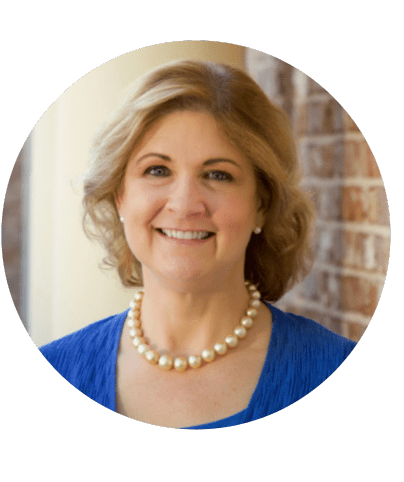
By Marina Sampanes Peed
Executive Director of Mosaic Georgia
 Do you remember the whirlwind of emotions and questions that came with growing up? I sure do. Not too long ago, I was gently reminded that I’ve stepped into the “woman of a certain age” chapter in life. And what a vibrant chapter it is! As a proud mom of two wonderful grown-up kids, and having weathered life’s many unexpected twists, I often find myself reflecting on those pivotal parenting moments. Recently, a close friend (and a mom to some spirited youngsters) curiously asked about my journey through their hormone-driven teenage years. With a smile, I admitted, “You know, I thought I had all the answers and would be the perfect parent… until we brought our daughter home from the hospital. Talk about humbling!”
As parents, our protective instincts are on high alert. From the rising cost of living and healthcare to the daily news about guns, active shooter drills, student debts, and challenges to our fundamental rights, it can feel a bit overwhelming. But amidst this whirlwind, it helps to start where you are, with what is in your control. Let’s begin with those heart-to-heart talks about the changes they are feeling.
In this rapidly changing world, it’s crucial for adults to overcome their hesitations and ensure our children and teens are well-informed and equipped with facts about their bodies, sexual contact, self-confidence and communication skills.
Discomfort is Just a Feeling: You’re Not Alone
We’ve all been there. That slight unease when broaching certain topics with our kids. Most of us didn’t have great role models in the “birds and the bees” conversations (that I even wrote “birds and the bees” in 2023 should be instructive). Some fear that if you talk about sex, it will encourage them to act on that new information. As if they aren’t naturally curious about the body parts they carry with them already.
Why Your Silence Isn’t Always Golden
Whether we like it or not, today’s youth are surrounded by sexualized messages – from advertisements, TV and movies, music, social media, and even pornography.
Here is what we know to be true: Normalizing discussions about bodies, hormones, relationships, values, and consequences are protective factors that can reduce early risky sexual activity and sexual harms.
Calling body parts the proper terms without blushing or whispering is the first step. Read this next section out loud:
Start at the top: Head, forehead, eyes, nose, lips, ears, shoulders, arms, hands, fingers, chest, breast, abdomen, penis, testicles, anus, vulva (includes labia, urethra, clitoris, vagina), thighs, calves, foot, toes.
If you can’t read or say these words out loud, your assignment is to work through your discomfort. Parts are parts.
The Danger of Secrecy and Shame
Kids can read the room. When adults avoid talking about human development or speak with declarative statements that shut down conversation, they create an environment of secrecy and shame. Parents who tell kids to “wait until marriage” (message reinforced to girls) for religious or cultural reasons, without educating about sexual activity, put their kids at greater risk for unintended harms. This creates a fertile ground for abusers. People who sexually abuse and exploit others thrive on coercion and secrecy. They manipulate their victims over time, creating damaging repercussions. The lifelong effects of childhood sexual abuse are many and varied, depending on the type, frequency and intensity of abuse, and child’s relationship to the abuser.
Did you know 25% of girls and 17% of boys K-12 ages (in both public and private education) have experienced some form of sexual abuse? These statistics represent real individuals, often victims of people within their close circle. Their language used often in describing genitals and the sexual acts reveal a lack of basic education about their bodies. Concerns about pregnancy from non-vaginal intercourse are common
The Statistics Have Names and Faces
At Mosaic Georgia, for example, over 1,500 children and youth are seen each year for harms arising from sexual abuse or exploitation. We’ve worked with minors who became parents due to familial sexual abuse and commercial trafficking. The trajectory of their lives are forever changed because of sexual abuse.
Parents of these youth are often shocked that the abuse was happening and lament that they thought their child was too young to talk about such things.
And there are as many adults who experienced sexual abuse as children, who later in life seek resources and support in their healing journey. Most victims hold their experiences in silence, fearing that “telling” will cause more harm to themselves and their family. Abstinence-only messages further inflict shame and guilt on young victims, contributing to mental health struggles, including depression, substance abuse, and suicidal thoughts.
Shifting Perspective: From Discomfort to Empowerment
Think back to your childhood. Do you remember the tingles, the whispers, the giggles, and the myths associated with s-e-x? Remember the confusion and perhaps even the fear?
We can do better. Comprehensive sexual education goes beyond biology and mechanics to include the emotional and ethical facets. It’s about teaching respect for self and others, understanding boundaries and consent, and fostering healthy relationships. It’s about creating an environment where our children can grow up understanding their bodies, respecting and valuing a partner, and building meaningful, respectful relationships.
Parents as First Teachers, Schools as Allies
Parents weave a tapestry of trust, respect, and knowledge with their kids through everyday conversations. Spending time to listen, share, and even laugh about life’s mysteries will build bonds and trust. While parents are a child’s first teachers, there is no knowledge test to pass in order to become a parent. Parents have varying levels of knowledge, skills, and confidence to talk about human reproduction, pregnancy, childbirth, and parenthood.
Schools can bridge this information gap, ensuring all students have access to factual information and understand the risks and consequences of varied sexual activity. And the curriculum is a great basis for discussion between parent and child.
A collaborative approach ensures that all our children receive consistent, relevant, and age-appropriate information. This shared responsibility can also alleviate some of the pressures parents might feel about having these discussions on their own.
Resources to Help
For parents who may be unsure where to start or how to approach these topics, there are numerous resources available. Organizations like Mosaic Georgia, among others, offer tools to initiate these essential conversations.
There are more books and curriculum on-line that you can read first, then share with your kids. Sometimes it’s easiest for each to read on their own and then discuss together. Like a book club for child/adolescent health.
Call to Act: An Investment in Their Future
It’s natural to feel discomfort, but let’s channel that unease into action. After all, our children’s empowerment and safety are well worth the effort.
When we know better, we do better.
The path forward is paved with knowledge, empathy, and understanding. Let’s take the necessary steps to ensure that our children grow up with the confidence and tools they need to navigate the complex world of sexual health and relationships. After all, knowledge is not just power; it’s empowering.
Thank you for reading this to the end. If you’d like to talk with me about protecting all our children, please reach out to marinap@mosaicga.org Let’s be the best village we can be for future generations.

 One in three teens experiences verbal, emotional, physical, or sexual abuse from a dating partner.