


CRISIS LINE

Author Ken Moua

The Boundary Reset 

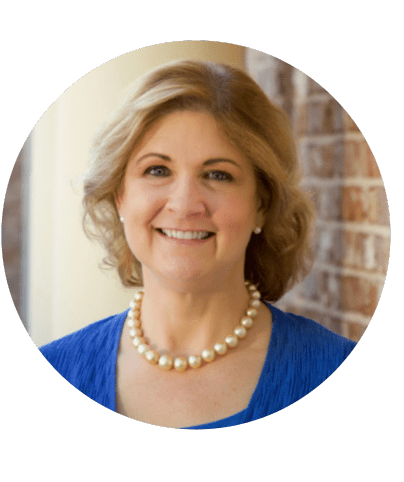
Kendall Circle Headshot

By Kendall Wolz
Mental Health and Wellness Manager at Mosaic Georgia

The Boundary Reset

The start of a new year often renews our focus on wellbeing and goal setting. While some of us feel energized and excited to begin again, others of us may be recovering from the physical and emotional exhaustion of the holiday season. Whether you are stepping into the new year with joy and anticipation or dragging yourself forward wishing that time would slow down, this can be an opportune moment to revisit what we know about boundaries and reflect on which ones may need to be established or strengthened.  

What are boundaries?  

A boundary is a limit a person sets to define what behaviors, interactions, and treatment they find acceptable or unacceptable. Often, we become most aware of boundaries when they have been crossed. We notice the discomfort, invalidation, resentment, or even harm when a boundary is violated. When boundaries are respected, people often experience greater clarity, safety, connection, and compassion.   

Importantly, boundaries are primarily for the individual or group setting them. They support self-regulation and self-protection and help clarify where one person ends and another begins.  

Boundaries are not . . . 

Punishments, ultimatums, or attempts to control other people.  

For example, someone might say, “I’m ignoring you until you apologize the right way.” While this can sound like a boundary, it is more accurately described as a consequence intended to cause discomfort or teach a lesson. A boundary, in contrast, is about protecting one’s emotional or physical wellbeing regardless of how the other person responds.  

Similarly, boundaries are sometimes mistaken for ultimatums. A statement such as “If you don’t change, I’m leaving,” is designed to force a specific outcome and emphasize compliance rather than choice. A boundary would instead clarify what the individual will do for themselves if the situation continues.  

At their core, boundaries require an internal focus on the self and the question: What will I do to stay safe and well? Punishment and ultimatums shift the focus outward, placing responsibility on others to change in order to avoid consequences.  

What are the types of boundaries? 

There are many types of boundaries and the list can become extensive. Below are some of the most common categories.  


Case Examples: Beginning to Set Boundaries 

As a counselor, I find case examples especially helpful for illustrating concepts like boundaries. Recognizing the need for a boundary often starts internally, with noticing discomfort or tension.  

See if any of the examples below resonate: 

Emotional Boundary 

Context: I feel emotionally drained by a friend who frequently vents without asking. 
Internal Cues: I feel exhausted and resentful after these conversations.  

How I may set a boundary: “I care about you, and I’m not able to talk about heavy topics right now. I can listen another time, or we can talk about something lighter today.”  

This is an effective boundary because it states a personal limit, does not shame or demand change, and offers choice without obligation.  

Physical Boundary 

Context: I feel uncomfortable with hugs from extended family. 
Internal Cues: My body tenses when people hug me without asking.  

How I may set a boundary: “I’m not a hugger, but I’m happy to say hello another way – how about a fist bump.”  

This boundary centers bodily autonomy, uses simple and neutral language, makes an alternative suggestion for a hello, and does not over-explain or apologize. 

Relational Boundary 

Context: I feel judged when family members comment on my life choices. 
Internal Cues: I shut down when my decisions are criticized. 

How I may set a boundary: “I’m not open to feedback about my personal decisions. If it comes up, I prefer to change the subject or leave the conversation.”  

This boundary is specific, clearly names the topic that is off-limits, and explains how the person will respond if the boundary is crossed. It emphasizes self-protection rather than control.  

Setting boundaries is an ongoing practice that often requires regular reflection and adjustment. It is normal for boundaries to feel uncomfortable or imperfect, especially at first. Practicing self-compassion is an essential part of the process. Like any skill, boundary-setting develops over time and with practice.  

As you move into the new year, where are you noticing tension or discomfort? What boundaries might support your wellbeing in the months ahead?  

Kendall Wolz heads up the Mental Health and Wellness team that provides individual, family, and group therapy to those seeking care at Mosaic Georgia. As a survivor herself, she has a unique insight into the challenges of living with past trauma, how it impacts lives daily, and what the process of healing truly looks like. Her personal website, Brave Girl, Speak unpacks some of the complex issues that come along with being a survivor of sexual violence. Visit Kendall’s site to read more about her personal journey healing from trauma and peeling the layers to reclaim her true self.

Read More

Someone’s Gotta Say It


When Care Meets Courage 

By Marina Sampanes Peed
Executive Director of Mosaic Georgia

As the year ends, so does my chapter as Executive Director of Mosaic Georgia. It’s a strange mix of ordinary and profound — an ending that arrives quietly amidst the holiday season. The 24/7 work will continue in capable hands; I’ll support the important mission in new ways inspired by the observations and experiences in the CEO role.  

I’ve noticed how much heavier life has become for so many kids and adults this year. People walk through our doors carrying strain that shows up in their shoulders and their breathing long before it reaches their words. And the people doing the caring carry their own loads – families to tend, bills to manage, health concerns, and the ongoing circus act we call modern life. Caring systems are comprised of people who don’t stand above the turbulence. They feel it directly. Yet they keep showing up, coffee in hand, humor intact (mostly), ready to steady someone else’s world for a moment. 

But the turbulence has taken on a sharper edge this year. 

Across our state and nation, we keep hearing accounts — not one incident, not one story, but a troubling pattern — of people being confronted in ordinary places in ways that raise serious questions about warrants, identification, and lawful authority. Fear and distrust grow quickly when public actions appear more performative than constitutional.  

And fear is corrosive: it undermines trust in legitimate public safety efforts, pushes victims into silence, and distorts the very systems meant to protect us.  

As a victim services organization, we cannot ignore this. Power and control are the very tools used to abuse and harm the children, adults, and seniors we serve every day. When those same tools show up in public systems, even unintentionally, people retreat instead of reaching out. Our work depends on the integrity of due process and equal protection under the law. When those principles blur, justice becomes unpredictable. And unpredictable justice is no justice at all. 

If the aim is truly to address dangerous individuals, the methods must be lawful, precise, and transparent. And while we’re naming things plainly, it is hard to believe any claim to a “public safety” agenda that simultaneously reduces federal funding for crime victim services. We know better.  

This season, many turn to the story of a young family seeking shelter where none was guaranteed. That story endures because the questions it raises are still with us: Who is welcomed? Who is protected? Who is treated as fully human? 

The red words in that well-worn book — printed in another color so no one can miss them — still point toward a steady north star. Mercy, justice, dignity. They’re not seasonal ornaments; they’re operating instructions for community life. 

Here at Mosaic, continuity is our strength. Leadership has always been shared work, not a solo act. That’s why this transition feels less like a farewell and more like a shift in formation. Lindsay will lead with steadiness and clarity. And the team will continue doing what they do best: creating safety, honoring truth, and walking with people through their hardest moments.

Even in a turbulent world, healing remains possible. I’ve witnessed too many quiet turning points to doubt it — a breath released, a truth spoken, a young person realizing their worth. These moments aren’t dramatic, but they are foundations. They hold. 

As I step into the new year, my gratitude is deeper than anything I can fit into one column. 

If I leave you with one request, it’s this:
Please care for the people who care for the community.
And speak up — clearly, consistently — when justice drifts off course. A healthy community depends on voices that refuse to look away. 

Our Mosaic will continue to evolve. The pattern will shift.
And if we each tend to our small piece with integrity, the whole will remain strong enough to carry us into whatever comes next. 

Read More

Mosaic Georgia Announces Leadership Transition: Lindsay Woon Ferreira to Become Executive Director in January 

December, 2025

mosaic is described as “a picture or pattern produced by arranging together small colored pieces of material.”

At Mosaic Georgia, the vibrant tiles which make up our team structure are transforming–the patterns and colors are organizing themselves into a new configuration.  

For the past eight years, Executive Director Marina Sampanes Peed and Deputy Director Lindsay Woon Ferreira have worked as a dynamic duo  to establish Mosaic Georgia as an industry leader and a comprehensive, survivor-centered hub providing acute and long-term care to over 3,400 people in the greater-Gwinnett area annually.  

After much time spent preparing Lindsay to step into the lead role, the new year will bring her transition to the Executive Director position.  

This evolution has been intentionally structured to ensure continuity, stability, and uninterrupted service to the people of Gwinnett County. According to Dr. Audrey Arona, chairwoman of the Mosaic Georgia Board of Directors, “As the Deputy Director, Lindsay has been instrumental in shaping Mosaic’s growth —operationally, clinically, and strategically. She is deeply respected across our multidisciplinary teams and brings the steady leadership needed for this next chapter.”    

Marina Sampanes Peed

That steady leadership builds on a strong foundation. Marina’s journey with the organization began in 1992 as a volunteer crisis advocate with then-Gwinnett Rape Crisis Center; she later served on its Board of Directors for many years before stepping into the Executive Director role in 2018. Under her leadership, Mosaic has experienced substantial growth, including a 65% increase in clients served since 2019, a rebranding from Gwinnett Sexual Assault Center to Mosaic Georgia, the creation of the Wholeness Collective offering healing and wellness communities for youth and adults, the formation of the SANE Community Support Network to provide ongoing education and networking for sexual assault nurse examiners across Georgia, and the relocation to Lawrenceville into a 16,000-square-foot center in partnership with Northside Hospital expanding access to medical, forensic, legal, and trauma-recovery services.  

Lindsay shares, “Marina and I have worked together very closely, allowing me time to fully immerse myself in the responsibilities of the lead role. I am excited to make the shift. And Marina isn’t going anywhere – she will continue to consult with Mosaic in a part time capacity focusing on strategic initiatives that advance our mission.  I’m grateful that her positivity and creativity will continue to support both our staff and the clients we serve.”   

Since beginning her career as a victim advocate in 2011, Lindsay has progressed through multiple roles at Mosaic—rising from Director of Client Services to Deputy Director. Her management of all operational systems, combined with her experience as a forensic interviewer and professional educator, gives her a deep understanding of all aspects of Mosaic’s services and operations. Lindsay has cultivated strong partnerships with law enforcement and allied organizations that strengthen Mosaic’s reach and will continue to benefit local survivors affected by sexualized violence. 

As the pieces of Mosaic’s leadership structure shift, Marina is turning her focus outward. “Across Georgia and nationally, victim services and child/youth programs are facing immense challenges—funding instability, growing complexity of cases, and systems stretched thin. As we approach Mosaic’s 40th anniversary in 2026, I feel both the weight of that reality and deep gratitude for the opportunity to keep strengthening the safety and healing pathways our community depends on. Kids and adults harmed by violence deserve a place where they can feel safe, heard, and able to imagine a better future. Lindsay brings the steadiness, wisdom, and heart this moment requires, and I’m proud to support her leadership as Mosaic Georgia moves into its next chapter.” 

Together, Marina and Lindsay’s combined talents—vision, creativity, strategy, and operational excellence—remain at the heart of Mosaic’s work, repositioned to create an even stronger whole.

Read More

Seasonal Shifts: Finding Light as the Days Grow Shorter 

Untitled design (51)

By Sarah Marin
Wholeness Collective Coordinator at Mosaic Georgia

As the air cools and the days grow shorter, many of us notice a shift: not just in the weather, but in our energy and mood too. Fall can be a season of cozy blankets, warm drinks, and beautiful colors, but it can also bring feelings of fatigue, sadness, or stress as we move toward winter and the holidays. 

There’s a particular feeling that hits this time of year. You wrap up a long day, finally close your laptop, and step outside, only to be met with a sky that’s already been dark for hours. That sudden, early evening darkness can feel like a physical weight, deflating any hope for an afternoon walk or a moment of quiet sunshine. It’s a stark sign that the seasons have truly turned. 

If this shift brings more than just a sigh, perhaps a dip in motivation or a fading mood, you’re not alone. These changes are common and completely normal. Our bodies and minds respond to less sunlight, colder weather, and the natural slowdown that comes with the season. For some, this can lead to seasonal depression (often called Seasonal Affective Disorder, or SAD), while others may simply notice a “winter slump,” feeling more tired, withdrawn, or low-spirited than usual.

But why does this happen? 

When there’s less daylight, our internal clock can get out of sync, which can affect mood and sleep. The holidays can also stir up a mix of emotions: excitement, stress, nostalgia, and even grief. The result? We might feel off balance without fully knowing why. 

Simple Ways to Support Yourself 

The good news is that small changes can have a big impact on how we feel. Here are a few gentle ways to nurture yourself through the seasonal shift: 

  • Follow the Light (or Create Your Own):
    Our bodies crave sunlight for vitamin D and serotonin, a key neurotransmitter for mood regulation. Try to get outside during daylight hours, especially in the morning. Even brief sunlight exposure can lift your energy and help regulate sleep. For those in particularly gray climates, a light therapy lamp can be a game-changer. Sit with it for 20–30 minutes each morning while you have your coffee or check emails. 


  • Create Cozy Moments:
    Light a candle, play soft music, or make your favorite warm drink. Little rituals of comfort remind us to slow down and savor the season. 


  • Move Your Body,Gently: 
    When energy is low, the thought of intense exercise can feel overwhelming. Reframe it as “movement” instead of a “workout.” Movement releases endorphins that help boost mood and energy. 


  • Set Realistic Expectations for the Holidays:
    The holiday season can be a time of mixed emotions, where joy and gratitude coexist with grief, loneliness, financial stress, or family tension. Amidst the pressure to be constantly festive, remember that it’s okay if this time of year feels heavy. Your feelings are valid and deeply human. Focus on meaning, not perfection. Identify one or two holiday traditions that truly bring you joy and let go of the rest. A perfect holiday is a myth, but a meaningful one is within reach. Set boundaries and protect your energy, prioritizing quiet moments of connection and peace that truly nourish you. 


  • Stay Connected:
    Schedule low-key social time. Instead of a big party, suggest a cozy coffee date, a phone call with a long-distance friend, or a movie night. You might even share how you’re feeling. You may be surprised by how many people are feeling the same way. Opening up to others can ease the burden and strengthen your connections. 


  • Ask for Support if You Need It: 
    If you notice persistent sadness, low energy, or loss of interest in things you enjoy, consider reaching out to a counselor or healthcare provider. You don’t have to navigate the darker months alone. 

Fall reminds us that change is a natural part of life. Just as trees shed their leaves, we too can let go of what no longer serves us and make space for rest and renewal. This season invites us to slow down, find gratitude in small things, and take care of our inner world as much as our outer one. This time of year encourages us to pause and nurture ourselves in quieter ways, to rest, reflect, and find meaning in small moments of peace. The darkness outside doesn’t have to define how we feel inside. By tending to our mental health, staying connected, and giving ourselves grace, we can move through the season with gentleness and care. 


If you need extra support during the holiday season, you are not alone. Here are some resources that can help:

  • 988 Suicide & Crisis Lifeline: Call or text 988 for free, confidential support 24/7. 
  • GCAL (Georgia Crisis and Access Line): Call 1-800-715-4225 for 24/7 mental health and substance use support in Georgia. 
  • SAMHSA National Helpline: Call 1-800-662-HELP (4357) for confidential treatment referrals and information. 
  • FindSupport.gov: Explore tools and connections for mental health and substance use resources. 

If you are looking for community and guidance, consider joining us for our Navigating the Holidays workshops, a safe space to learn coping strategies, connect with others, and care for your mental health through the season. 

A warm reminder: You don’t have to perform happiness to be worthy of peace. As the days grow shorter and the light fades sooner this season, give yourself permission to care for your heart, honor your limits, and find light in the spaces that feel safe and genuine. Your mental health matters, even (and especially) in the darker months. 💛 

Read More

Someone’s Gotta Say It: The Violence We Excuse—and How Kids Carry It 

By Marina Sampanes Peed
Executive Director of Mosaic Georgia

When people hear “domestic violence,” they picture bruises and 911 calls. Those harms are real—and visible. But in homes across our community, another kind of violence hums under the radar: the slammed door that makes everyone flinch, the “jokes” that cut, the phone that’s always monitored, the money that’s always withheld. Violence isn’t only what lands in the ER; it’s also the pattern of control that replaces safety with fear. Kids in those homes learn it in their bones.

Public health has a name for the long shadow of early adversity: Adverse Childhood Experiences (ACEs). ACEs are linked to poorer health, mental health, and economic outcomes across a lifetime. The dosage matters; so do the buffers. We can prevent and heal—but first, we have to see what’s in front of us.

The national numbers are sobering.  

  • In 2023, 2,412 women were killed by men in single-victim/single-offender incidents; 89.9% knew their killer. 
  • When the weapon was known, 64.9% were shot, and more than half of women fatally shot were killed by male intimates or former partners. 
  • Black women were killed at 2.5× the rate of white women. 

These deaths aren’t random—they map to power and control. (Violence Policy Center).

Violence before birth counts, too. Prenatal stress—especially in violent or chronically tense homes—can alter stress hormone and inflammatory pathways, raising risks for preterm birth and low birth weight, and shaping infant brain and immune development. In plain English: stress in the home can change a baby’s start. (CoussonsRead, 2013). If conflict escalates during pregnancy, safety planning is prenatal care. 

What does “domestic violence” look like beyond hitting?

  • Coercive control: location tracking, forced password sharing, isolation from friends/family, sabotaging a partner’s job. 
  • Psychological abuse: relentless criticism, gaslighting, threats (e.g., “If you leave, I’ll take the kids”). 
  • Financial abuse: withholding money, putting debt in a partner’s name. 
  • Physical/sexual violence: including strangulation (often miscalled “choking”) and reproductive coercion (behavior aimed at controlling reproductive choices without consent). 

We also need to retire a persistent myth.  

Physical punishment isn’t “discipline”—it’s fear, and it travels. Decades of research show spanking is associated with more aggression, anxiety, and relationship problems later in life. There are better tools: calm, consistent limits; natural/logical consequences; repair after conflict. (Gershoff & GroganKaylor, 2016). 

And yes, we should talk about masculinity—carefully. The issue isn’t men; it’s narrow rules about “real manhood” that glorify dominance, toughness, and emotional shutdown. The APA points to how these norms erode mental health and can fuel aggression, while calling us to model healthy masculinity—empathy, accountability, and care. Boys need permission (and practice) to name feelings, ask for help, and treat power as a responsibility, not a weapon. For practitioners, see the APA’s Guidelines for Psychological Practice with Boys and Men. 

Sometimes, harmful ideas about control get a religious gloss. Surveys of White Christian nationalism show substantially higher support for political violence among adherents than rejecters. That’s not a direct intimate partner violence (IPV) rate, but the logic overlaps: domination presented as righteousness. When any belief system sanctifies one person’s control over another, children learn that control = love—and risk rises. (PRRI). 

So what does prevention look like? 

1)   Build Positive Childhood Experiences (PCEs). One caring adult, predictable routines, chances to help and belong — are buffers that can reduce the harms of ACEs and strengthen mental health into adulthood. (Bethell et al., 2019).

2)   Model nonviolent masculinity. Strength includes curiosity, repair, and restraint. If we want teens to reject coercion, they have to see adults practicing consent, apologies, and boundary keeping. See the APA guidance.

3)   Replace hitting with skill building. Sometimes adults need a “time out” to calm down before engaging. Trade swats for scripts: “I’m upset; I need five minutes.” “Here’s the boundary; here’s the consequence.” Practice the behavior you want. (Evidence overview).

4)   Use bystander power. If something feels off with a neighbor or friend, you don’t need proof to care. Try: “I’m concerned for your safety. I’m here.”  Listen, but don’t push for information. Offer a ride, childcare, or a quiet place to make a call. (CDC’s ACEs prevention actions).

5)   Start early and systemwide. Trauma-informed prenatal care, perinatal mental health supports, safe housing, paid leave, and childcare lower family stress—the kind that spills onto kids. Public health isn’t just clinics; it’s conditions. (CDC’s public health approach to ACEs here). 

Someone’s gotta say it: the violence we politely overlook in homes today becomes the weight our children carry tomorrow—sometimes from the very beginning of life. But this is also true: kids don’t need perfect families to thrive. They need safe adults, predictable care, and communities that insist love is never control.


From Primitive to Evolved 

Abuse and domination are not signs of strength—they are relics of our most primitive instincts: fear, control, survival at all costs. But humanity has always evolved. With knowledge, empathy, and history as our teachers, we can choose to rise above reflex and create relationships built on respect. We must do better—because we know better. 

CALLOUT: What You Can Do (Starting Today) 

At Home 

  • Replace physical punishment with calm, consistent boundaries and repair after conflict.
  • Model emotional language (“I feel… I need…”) and practice cooling‑off.
  • Teach consent, digital respect, and bystander skills; normalize help‑seeking. 

As a Friend/Neighbor 

  • Believe survivors. Say, “I’m concerned for your safety. I’m here.” Offer practical help (rides, childcare). 

In Faith & Community Spaces 

  • Reject teachings that sanctify control; publish clear no‑abuse policies and referral pathways. 

At School/Work 

  • Support evidence‑based programs on healthy relationships and adopt policies that respond swiftly to harassment.

Policy & Philanthropy 

  • Invest in and support advocacy centers, perinatal mental health access, safe housing, childcare, and paid family leave.
  • Improve the civil legal process to receive protective orders after experiencing harms. Currently, the rights of the abuser to roam are valued higher than the victim’s right to safety. The ping pong between courts instructing the victim to call 911 the next time and law enforcement instructing the victim to get a temporary protective order (TPO) so they have something to enforce, has led to deadly outcomes. 

If you or someone you know is experiencing violence at home, our crisis line is staffed with caring and knowledgeable advocates who can help inform with proper resources and information.
Mosaic Georgia’s 24/7 Crisis Line: 866-900-6019 

Read More

Someone’s Gotta Say It


Beyond the Headlines: The Everyday Reality of Exploitation 

By Marina Sampanes Peed
Executive Director of Mosaic Georgia

The media is talking about Jeffrey Epstein and Ghislaine Maxwell again. The outrage is real — but the truth is more uncomfortable: there are Jeffrey Epsteins in every community. 

They aren’t always billionaires or celebrities. Sometimes they’re neighbors, coaches, classmates, boyfriends, or trusted family friends. They use grooming techniques, power, fear, and — increasingly — social media to exploit children, teens, and adults. 

One man’s “party” is coercive assault and abuse of another person. When you see others as less than human, it is easier to believe you are entitled to their obedience, sex, or affection. Shame and silence support the cycle. Would you behave this way if your grandmother, mom or daughter were present?  

At Mosaic Georgia, we don’t need headlines to remind us of this reality. We see it every day. 

The 1st Six Months of 2025 

It can’t be that bad, some say. What are the numbers?  We keep track of our services – many developed from analyzing the data and identifying system gaps. Here is what courage and resilience looked like in Gwinnett in the first half of 2025:  

Safe to Say It Out Loud 

  • 271 children and teens sat in a safe room and told a trained professional what they had endured or witnessed. These brave conversations, called forensic interviews, often mark the first step toward safety, healing and justice. 
  • 158 survivors received immediate medical forensic exams after being assaulted. The patients ranged in age from 2 years to 61 years. Among the adults, 19 survivors chose not to report to law enforcement. Their evidence kits were collected and securely stored — preserving their chance for justice in the future, when and if they are ready. This ensures survivors don’t lose their chance for justice, even if they need more time.
     
  • 515 people in crisis picked up the phone not knowing if anyone would answer — and found a Mosaic advocate on the line, ready to listen, believe, and act.
     
  • 12 young survivors of trafficking were identified and supported with over 500 specialized services — to begin the long journey to health.
     

Securing Victims’ Rights and Safety 

Safety doesn’t stop at medical care – it continues into courtrooms, schools, homes, and legal systems. 

  • 319 survivors turned to Mosaic Georgia for legal advice and education, including 23 who received direct representation from an attorney. Many were experiencing complex family, criminal, or civil issues while trying to stay safe from stalkers, abusers, or system gaps.
     

Healing from Betrayal & Violence 

Healing is not a straight line – but it starts with safe, trusted support. 

  • 580 individuals began counseling to reclaim their mental health and resilience.  They participated in nearly 1,000 sessions with our licensed, trauma-focused therapists.
     
  • Strength through Community: 828 participants in support group and Wholeness Collective programming: 110 support group sessions equipped over 270 participants with healing and growth are possible. 68 Wholeness Collective events engaged over 550 youth and adults.
     

A Voice through Advocacy 

Victim Advocacy is specialized support for people who have experienced crime or abuse. Think of it like patient advocacy -but for survivors of violence. Much like a patient advocate helps navigate medical and insurance systems, our advocates help survivors understand their rights, access resources, and make informed choices after a traumatic event. We ensure their voices are heard in systems that are stretched and focused on process.

We provided over 29,000 advocacy contacts and supports in the first six months and managed over 60 subpoena and records requests, reducing survivors’ legal burden. 

Each contact represents a moment when a survivor didn’t have to face the trauma alone. 

Shifting the Shame 

While society debates sensational scandals, too often survivors in our own neighborhoods are asked What were you wearing? Why Didn’t you leave? Why didn’t you call the police? 

These questions, however curious, neutralize the responsibility of the perpetrator and assumes they have no self control.  

Instead of questioning survivors, we should be asking perpetrators:  Why did you think it’s okay to be intimate with someone who didn’t want that? Why didn’t you walk away when she said she wasn’t interested? Why did you get mad when she said no?
 

A Community That Doesn’t Look Away 

Even as we moved into our new Lawrenceville Center in May, our services never stopped. In June, more than 100 community members — including dignitaries, funders, and partners — joined us for our Grand Opening. WSB covered the event, amplifying the message that Gwinnett will not look away. 

Why This Matters Now 

The Epstein and Maxwell cases may dominate the headlines, but exploitation thrives in silence.  

Survivors in our communities deserve more than shock and outrage — they deserve dignity, safety, healing, and justice.
 

Behind every number is a survivor. Someone who decided to trust us with their story, their safety, and their future. Mosaic Georgia stands with them — alongside you, our community — for safer, stronger tomorrows. Don’t wait for the next headline. Join us! 

Read More

Someone’s Gotta Say It

What a Difference a Year Makes 

Marina Headshot (1)

By Marina Sampanes Peed
Executive Director of Mosaic Georgia

One year ago, we were running out of space—literally and figuratively.

Mosaic Georgia had outgrown our facilities, our systems were straining under the weight of growing demand, and we were navigating an increasingly unstable funding environment for victim services. Our clients—survivors of sexual assault, child abuse, and sexual exploitation—never stopped showing up. So neither did we. 

Fast-forward to today: We’re now settled into our new home in Lawrenceville, thanks to a transformative partnership with Northside Hospital. But this isn’t just a bigger building. It’s a bold investment in people and community. 

This represents more than a physical upgrade. It reflects decades of work—and thousands of survivor stories—woven into the fabric of Gwinnett County. 

Our roots go back to Ann Smiley, who founded Gwinnett Rape Crisis in a ranch-style house in Duluth and made it the first center in Georgia to provide medical forensic exams outside of emergency rooms. That bold step launched a trajectory of innovation and compassion. Under longtime Executive Director Ann Burdges, we expanded to serve children and introduced civil legal aid as a core service—another Georgia first. 

Today, Mosaic Georgia offers a full continuum of trauma-informed care: 24/7 crisis response, pediatric and adult medical forensic exams, child forensic interviews, counseling, legal assistance, and healing programs. Whether someone lives in an outside encampment, an extended stay motel, or a gated community—we serve them all. And we do so with confidentiality, dignity, urgency, and care. 

Our new space was designed with that purpose at its core. It says to every child, teen, and adult who enters:
  

We see you. You are not alone. And you deserve to feel safe.
 

Thanks to your support—and Northside Hospital—we now have a center that can handle the depth of care we provide. One-third larger than our previous location, it brings together every essential service. Fewer delays. More dignity. Better care. 

But space alone doesn’t create healing. People do. 

As we reach the midpoint of 2025, I’m filled with gratitude—for those who bring this work to life and those who trust us with their healing. From the child who whispers, “You’re nice. Can I come back?,” to the nurse who works through lunch to finish documentation, to the donor whose quiet generosity powers our mission—every person makes a difference. 

Being in Lawrenceville, at the heart of Gwinnett County, is more than geographic. It reflects who we are: a community where diverse voices come together, where partnerships thrive, and where progress is built, together. 

To our extraordinary partners: 

  • Northside Hospital—for believing in this vision and making room for it. 
  • Core Investors in this dream—the Criminal Justice Coordinating Council; Gwinnett County Board of Commissioners; foundations like Fraser-Parker, James M. Cox, and Tull; corporations like Gas South and Primerica; and those who give as Anonymous—thank you for laying the groundwork to get us here. 
  • Donors and board members—your support of what happens inside the walls is what keeps us strong. 
  • Our Mosaic of institutional partners—law enforcement, prosecutors, DFCS, GCPS, the courts—you are not just collaborators; you are part of this healing ecosystem. 
  • To our staff, volunteers, and advocates—you make this dream real with your love, labor, and fierce dedication. 

This new space is a promise kept. But the future of this work—its reach, its quality, its sustainability—is not guaranteed. 

Policy shifts and funding gaps threaten the very programs that protect victims and hold offenders accountable. The systems we’ve built are strong, but they’re not immune to political agendas or budget cuts. That’s why we need you.
 

This summer and fall, help us keep the momentum going. Give if you can. Share our message. Speak up for policies that protect, not punish, survivors. And model consent, respect, and care in your own homes and communities. 

If you’ve already joined us on this journey—thank you. If not, now is the perfect time. 

Because what a difference a year makes—when people choose to care, to act, and protect. 

Here’s to more light, more love, and more healing in the months ahead.

Read More

Healing Across Cultural Lines: AAPI Heritage Month and the Journey Toward Inclusive Sexual Assault Awareness 

Compiled/Co-authored by:

Untitled design (38)

Esther Ko
Managing Attorney

Untitled design (39)

Amanda Makrogianis Mickelsen
Marketing Project Manager

Asian American Pacific Islander Heritage Month offers a vital opportunity to address sexual assault within AAPI communities, where cultural stigmas and immigration status often create additional barriers to reporting and seeking help. Many AAPI survivors face unique challenges, including language barriers, fear of bringing shame to their families, and distrust of systems that have historically failed to provide culturally responsive care. These intersecting factors contribute to the underreporting of sexual violence in AAPI communities, making dedicated advocacy and culturally-specific resources essential components of effective support systems.  

By recognizing these distinct challenges during AAPI Heritage Month, we can promote healing-centered approaches that honor diverse cultural contexts while working toward more inclusive sexual assault prevention and response. This commemoration reminds us that effective awareness must acknowledge how cultural identity shapes survivors’ experiences and pathways to healing. 

Mosaic Georgia has partnered with various organizations within the Asian community to drive discussion, educate, and collaborate.  

In a significant cross-cultural exchange, Mosaic Georgia recently welcomed lawyers from Seoul National University School of Law to discuss approaches to supporting sexual assault survivors. The visit illuminated stark contrasts in reporting processes, with Korean survivors facing additional hurdles such as requirements for detailed written statements before police investigations can proceed. This collaboration highlighted how cultural and systemic barriers create universal challenges for survivors seeking justice, while offering both parties valuable insights into developing more trauma-informed approaches that could be implemented across continents. 


Mosaic Georgia’s outreach to parents and caregivers at the Korean Parent Association Seminar at
Northview High School addressed growing concerns about children’s safety in the digital age. The seminar covered critical topics including family violence, sexual violence, and child sexual abuse, while providing practical information on protective orders, divorce proceedings, and crime reporting. Discussions centered on how deeply embedded cultural norms—particularly around shame—can prevent survivors from seeking help and accessing justice, emphasizing the need for culturally sensitive support services within AAPI communities.


Teen dating violence education was the focus of another impactful event where Mosaic Georgia
staff educated Korean teenagers about 
their rights under Title IX, consent concepts, recognizing dating violence, and reporting options. The interactive session revealed emerging trends in technology-facilitated abuse affecting young survivors. Participants openly discussed the unique social pressures that prevent teen survivors from coming forward, including peer pressure, bullying, and fears about social ostracism—challenges that are often amplified within tight-knit cultural communities. 


Recognizing the influential role of faith leaders, Mosaic Georgia conducted a comprehensive
Korean Pastor Training Seminar for 50-60 pastors on family violence, sexual violence, and child sexual abuse. Staff attorney Esther provided crucial education on mandatory reporting laws, reporting procedures, and appropriate responses to disclosures involving children, elders, and adults with disabilities. This engagement acknowledged the pivotal role spiritual communities often play in survivors’ healing journeys and emphasized the importance of creating safe spaces within faith contexts where cultural sensitivities are understood and respected.

Read More